How Much Does a Real Estate Photographer Cost in 2026? (Prices & Alternatives)
You're listing a property for sale or rent, and you know photos matter. But before hiring a professional, one question always comes up: how much does a real estate photographer actually cost? Here are the real rates in 2026, what makes them vary, who pays the bill, and the alternatives if your budget is tight.
The average cost of a real estate photographer
For a standard shoot of 6 to 10 photos, prices generally range between €80 and €250 (roughly $90 to $270). That's the most common bracket for a mid-sized apartment or house.
Here are the ballpark figures to keep in mind:
- Standard shoot (6 to 10 photos): €80 to €250
- Per photo (unit price): €15 to €40 per shot
- Full service (drone, virtual tour, advanced editing): up to €500 a day, or more for high-end properties
As a rough guide, a standard photo session often lands around €150 to €300, including travel, a one-hour shoot, retouching and delivery of HD photos.
Detailed pricing by service
Not every photographer charges the same way. Here are the most common pricing structures by service type.
| Service | Price range | Details |
|---|---|---|
| Studio / 1-bed (5-8 photos) | €80 to €150 | Quick shoot, 30-45 min |
| Apartment, 2-3 rooms (10-15 photos) | €150 to €250 | 1 to 1.5 hours on site |
| House (15-25 photos) | €200 to €400 | 1.5 to 2.5 hours, exteriors included |
| Luxury property / villa | €400 to €800+ | Half-day, specialist equipment |
| Drone photography | +€100 to €250 | Certified pilot, flight clearance |
| 360° virtual tour | +€150 to €400 | Depends on size and number of points |
| Twilight photos | +€80 to €200 | Restricted time window |
| Advanced editing / virtual staging | +€20 to €80 per photo | Depends on complexity |
These ranges vary noticeably by location: expect 20% to 40% more in major cities than in smaller markets.
What makes the price vary
The rate doesn't depend only on the number of photos. Several factors come into play:
- Property size and type: a studio is quick to shoot; a large house needs more time and equipment.
- Location: travel costs add up, especially in rural or outlying areas.
- The photographer's experience: a beginner charges less than an established pro with high-end gear.
- Add-ons: drone shots, 360° virtual tours, twilight photos, virtual staging — each option pushes the bill up.
- Post-production: editing time (HDR, perspective correction, color harmonization) affects the final price.
- Volume: an agent sending 10 properties a month gets tiered rates, often 20% to 30% below the standard unit price.
Who pays for real estate photos?
This comes up often, and the answer depends on how the property is being sold.
Through an agency: photos are almost always covered by the agency and included in the listing commission. It's a marketing investment to win and serve the mandate. The seller doesn't pay directly, but the cost is indirectly built into the commission.
Private sale (by owner): the seller covers the cost if they want a professional photographer. This is where budget really becomes a question, and why alternatives are so commonly used.
Exclusive listings: agencies often invest more (pro photographer, drone, virtual tour) because they have the certainty of seeing the sale through.
Rentals: the photo budget is generally tighter than for a sale, since the property will be re-listed regularly.
Why good photos are worth the investment
Before looking at cost, let's remember what's at stake. 90% of buyers browse listings online before visiting a property: your photos are your storefront. And the impact is measurable.
According to industry data, a property with professional photos sells up to 32% faster, and listings with quality images get far more views on portals. In other words: bad photos don't just cost you clicks — they lengthen your time on market and can weigh on the final price.
Good photos aren't an expense, they're a sales accelerator. The real question isn't "how much does it cost?" but "how much are bad photos costing me?"
The alternatives to a professional photographer
Hiring a photographer remains the premium solution, ideal for high-end properties or exclusive listings. But it isn't always the right fit: tight budget, short deadline, or simply too many properties to shoot. Here are the alternatives.
1. Shooting the photos yourself
It's free, but the result depends entirely on your gear and skill. Without command of lighting, framing and editing, the output often stays amateur — and counterproductive. If you give it a go, prioritize natural light, tidy and depersonalize the space, and keep lines straight.
2. On-demand photographer platforms
Platforms connect you with photographers on demand. Convenient, but rates stay in the classic bracket (often €100+), and quality varies depending on who shows up.
3. AI enhancement
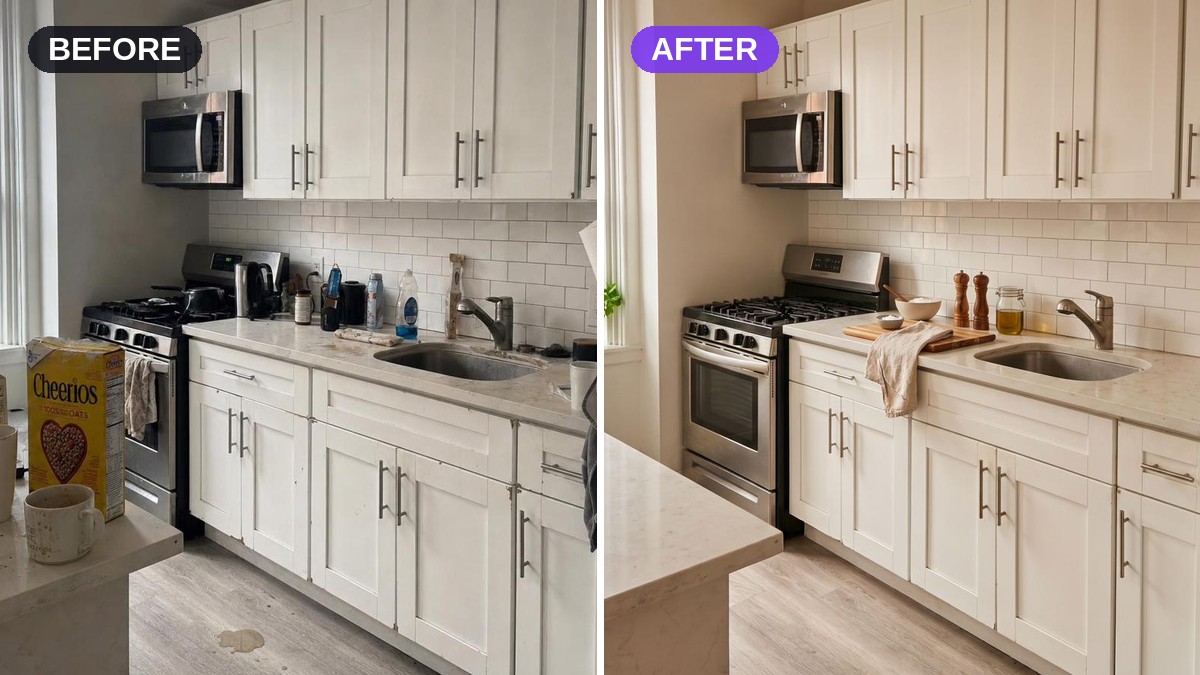
This is the option that has emerged in recent years: instead of paying for a shoot, you take the photos yourself (even on a smartphone) and an AI turns them into professional visuals in seconds.
That's what Sublify offers: you drop in a photo of a room, and the tool enhances lighting, sharpness and ambiance — while staying faithful to the real property. The cost is counted in cents per photo rather than hundreds of euros, with no travel and no appointment. For an agent juggling several listings, or an owner who wants a standout listing without blowing the budget, it's a serious alternative.
Photographer or AI: how to choose?
| Criterion | Pro photographer | Sublify (AI) |
|---|---|---|
| Price | €80 to €500 / shoot | A few cents / photo |
| Turnaround | Appointment + delivery in a few days | 30 seconds |
| Travel | Yes | None |
| Best for | High-end properties, exclusive listings | Volume, controlled budget, speed |
There's no wrong answer: for an exceptional villa, a photographer with a drone is unbeatable. For most properties — apartments, standard houses, rentals — AI offers a quality/price/speed ratio that's hard to beat.
Are you a photographer? How much should you charge?
If you're on the other side of the lens, the question becomes: what rate should you set without undercutting yourself or pricing yourself out?
Common pricing models
Flat fee per property: the most widespread approach. You quote a single price based on property size (see the table above). Easy for clients to understand, and your margin is protected as long as you know your average time on site.
Per photo: €15 to €40 per delivered image. Suited to small properties or one-off requests, but be careful: clients may be tempted to cut the photo count, which hurts the listing.
Hourly rate: €80 to €150 per hour, with or without post-production included. Transparent, but harder to sell commercially.
Retainer / volume pricing: for agencies sending you several properties a month. You lower the unit price by 20% to 30% in exchange for steady work. It's often the most profitable model over time.
Working out your floor rate
Don't start from what competitors charge — start from your costs. Count:
- Actual time: travel + shoot + post-production (often 2 to 3 hours total for a standard property)
- Equipment depreciation (body, wide-angle lenses, tripod, lighting)
- Overheads (business status, insurance, software, travel)
- Your margin
A €150 shoot that takes you 3 hours all-in works out to €50/hour gross, before overheads. That's the calculation to run before quoting a price.
The biggest time sink: editing
For many photographers, post-production accounts for more than half the total working time: perspective correction, white balance, backlight recovery, removing distracting objects. It's what caps how many properties you can handle per week.
That's exactly where AI enhancement tools change the equation: by automating part of the editing, they let you deliver faster without lowering your rates — meaning more listings handled. Several photographers use Sublify for this reason: they shoot themselves, and save time on processing.
Frequently asked questions
How much does a real estate photographer charge per house?
Expect €200 to €400 for a standard house (15 to 25 photos, exteriors included), and up to €800 or more for a luxury property requiring a half-day and specialist equipment.
Does the price include editing?
In the vast majority of cases, yes. Quoted rates generally include the shoot, standard post-production and delivery of HD files. Advanced retouching (virtual staging, object removal, sky replacement) is almost always billed separately.
How much does commercial real estate photography cost?
Commercial property (offices, retail units, warehouses) is typically 30% to 50% more expensive than residential: larger surfaces, scheduling constraints, complex lighting, and sometimes the need to shoot outside business hours.
How much do realtor headshots cost?
A professional headshot for an agent runs between €80 and €250 depending on format: a quick outdoor session or a studio shoot with multiple outfits and retouching. Some photographers offer team packages for agencies.
Are prices the same everywhere?
No. Major metropolitan areas run 20% to 40% above the national average. Mid-sized cities sit in between. In rural areas, base prices are lower but travel fees weigh more heavily on the total.
Can you negotiate a real estate photographer's rate?
Yes, mainly on volume. An agent guaranteeing several properties a month commonly gets a 20% to 30% discount on the unit price. Negotiating down a one-off shoot is harder, and often counterproductive: listing quality is what suffers.
Do you need a photographer for a rental?
It depends on how competitive your market is. In a tight market, decent photos are enough. In a competitive one — or for a short-term rental like Airbnb, where the photo decides the booking — polished visuals make a real difference to occupancy.
How do you price real estate photography as a beginner?
Start slightly below the local market (around 20% under) to build a portfolio, but never below your floor rate calculated from actual costs. Raise prices once you have 10 to 15 solid listings to show. Undercharging long-term is the fastest way to burn out on this type of work.
In summary
A real estate photographer costs between €80 and €250 for a standard shoot, and up to €500 for a full service. It's a worthwhile investment given the impact on sale speed, but it isn't the only option: doing it yourself (free but risky) or AI (a few cents, instant) both let you get great photos without the cost of a shoot.
On the photographer's side, pricing should be built from your real costs and time — with post-production being the main area to optimize.
The bottom line: never publish a listing with dark, blurry or amateur photos. Whatever method you choose, your photos are what decides whether the buyer clicks — or moves on to the next listing.
If your property is a short-term rental or hospitality space, see also our comparison of AI tools for Airbnb and hotel photos.
Read next
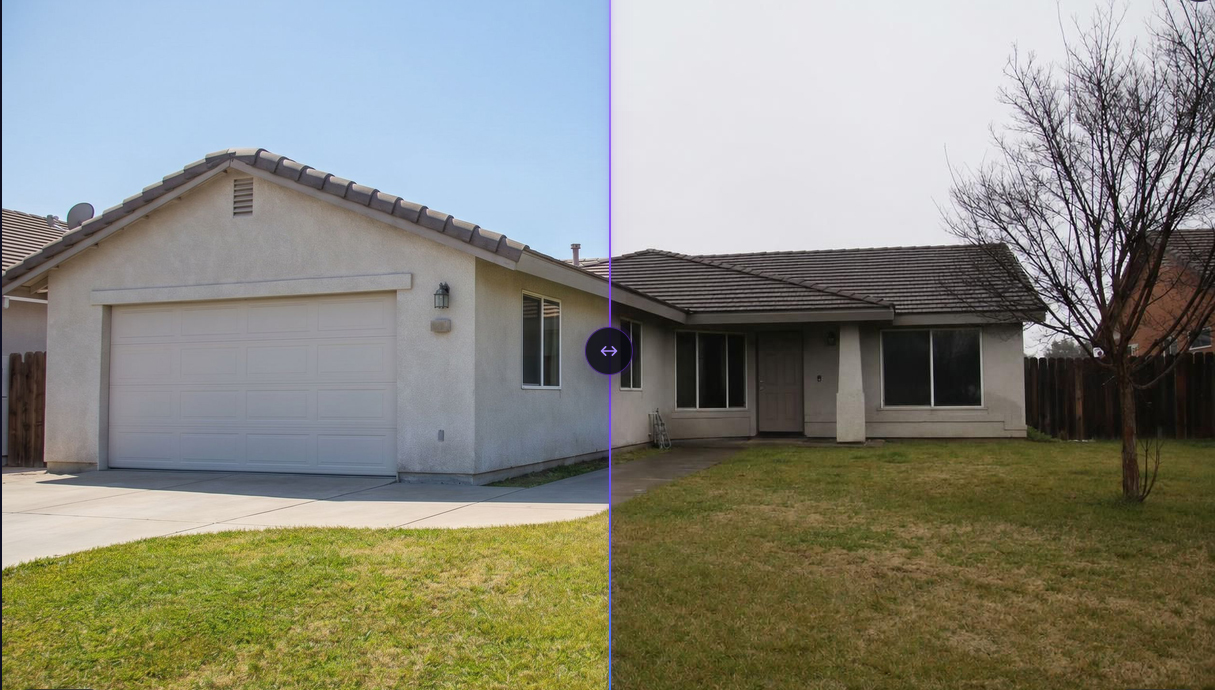
Automatically editing real estate listing photos: 2026 comparison
2026 comparison of AI tools for editing real estate listing photos: Gepetto, Pedra, IACrea, Nodalview, Sublify. Features, pricing, and use cases.
Read article
Sublify vs Gepetto: AI real estate photo editing comparison
Sublify vs Gepetto: a detailed comparison of both AI real estate photo editing tools. Features, modes, pricing, free trial, and output resolution.
Read article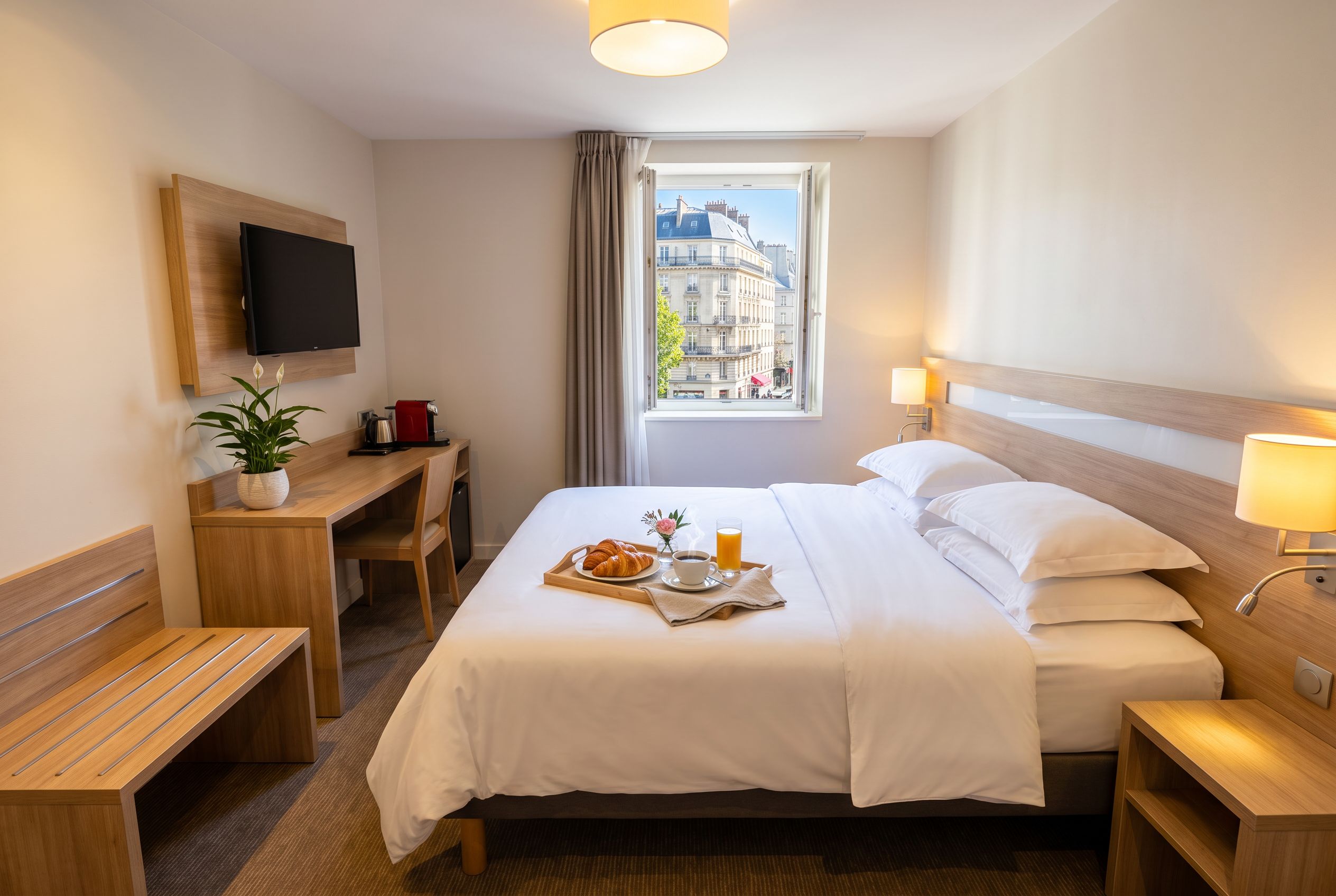
Best AI Tool for Airbnb and Hotel Photos in 2026
A comparison of 6 AI tools to edit and stage interior photos for Airbnb rentals and hotels, based on their features and pricing.
Read article